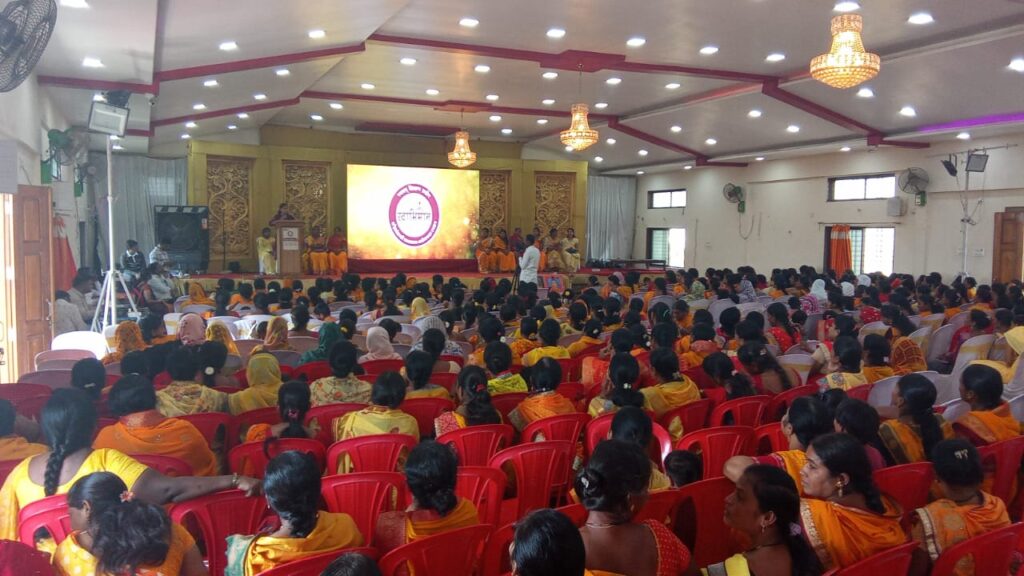
Inception: Since inception, SSP has developed a widespread network of Self-Help Groups (SHGs) with over 100,000 women that has gone beyond the first-steps of reconstruction and savings to build social, political, and economic competencies for its women members.
Social enterprise creation: In 2006, the SSP group of social enterprises was created as an ecosystem to nurture various aspects of the programme and to develop and refine the value chains to help the women succeed in hitherto untapped markets. This consortium of four enterprises currently facilitates formation and leadership of self-help groups, social enterprises, and community-centred initiatives in impact sectors such as clean energy, water and sanitation, health and nutrition, agriculture, and food security.
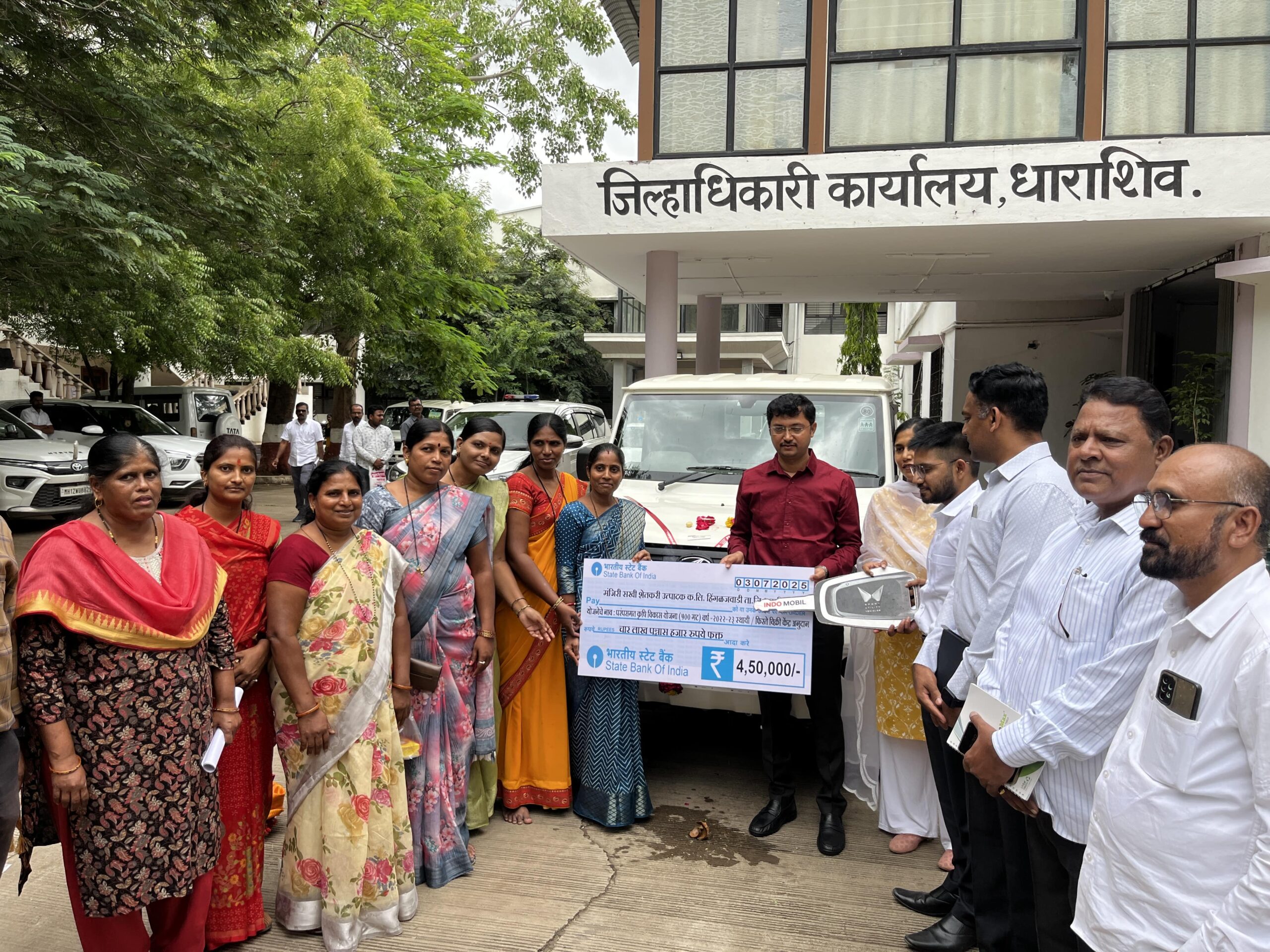
Sakhi Federations: SSP and its group of social enterprises have mentored women to lead community level umbrella-network of Sakhi SHGs and Sakhi Federations, launching a dynamic umbrella-network of 5,500 SHGs in the geographical regions of their work. The initiatives are strengthened through women’s leadership, and long- and short-term partnerships with local government bodies, state governments, and corporate houses.
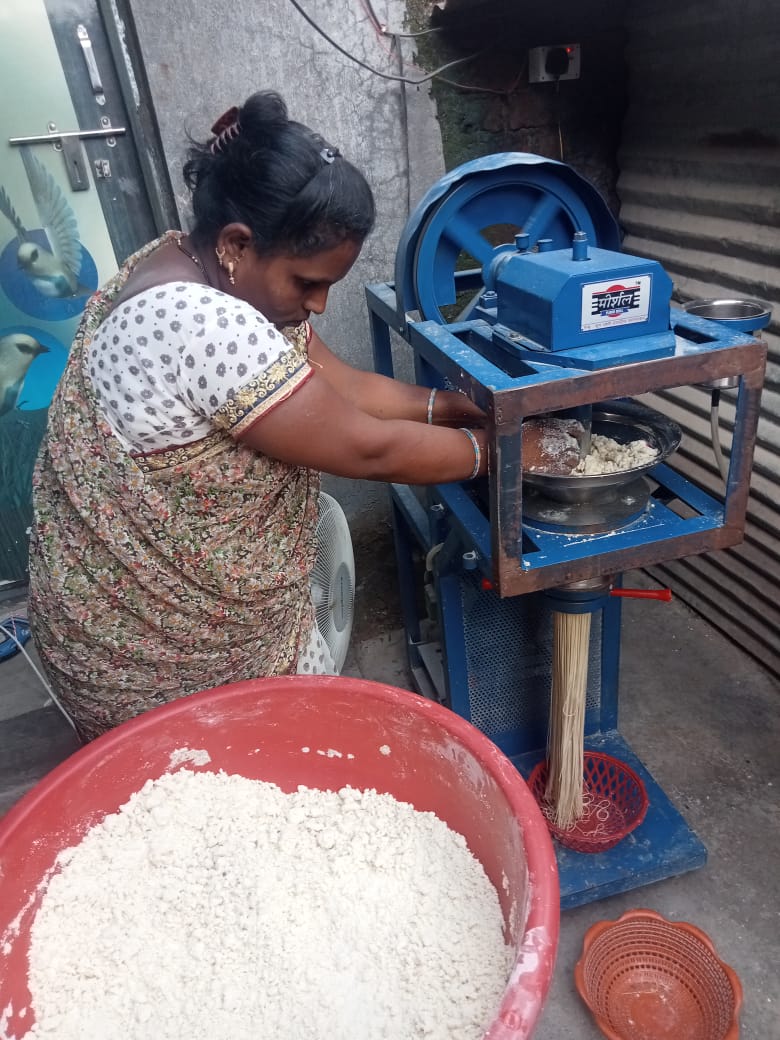
Ecosystem support: SSP has created a robust ecosystem to support women’s entrepreneurship and leadership with a wide-ranging access to financial services, skill-building, and livelihoods generation planks, so women are able to make a meaningful social and economic contribution. This impact goes well beyond the project, and has a multiplier effect. SSP also builds the credit-worthiness of women so that they can avail initial start-up or seed capital.
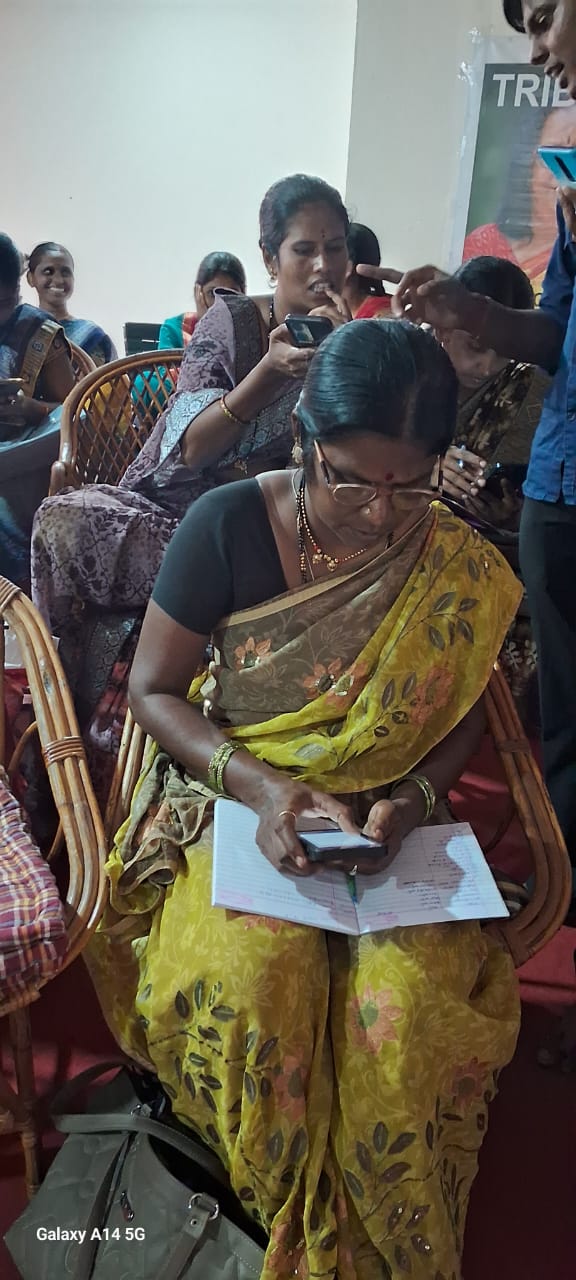
WELI: The strategic goal of the Women’s Entrepreneurship and Leadership Institute is to build an overarching system for the future that teaches and nurtures entrepreneurial and leadership spirit among grassroots women. This WELI ecosystem will act as a local and state-level platform to facilitate the overall organization’s vision of facilitating women-led community initiatives for sustainable and inclusive development.
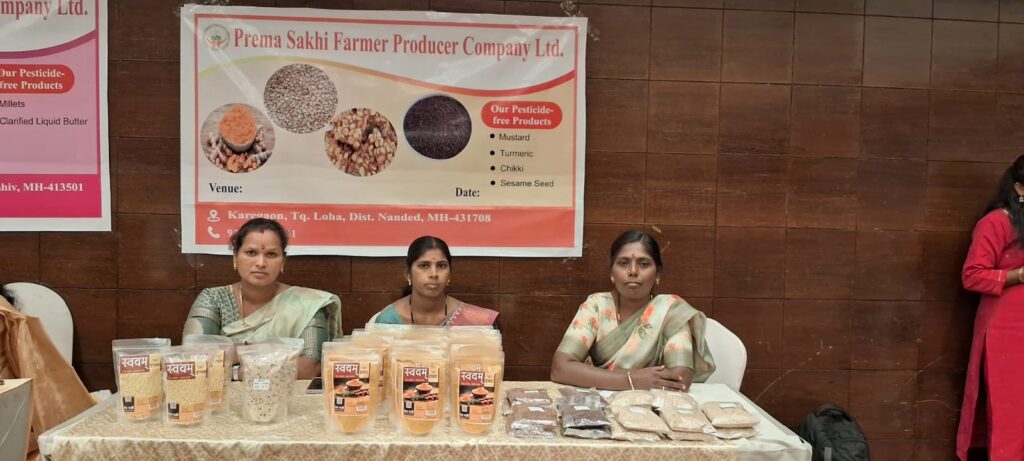
Collaboration: A crucial game-changer has been the creation of the SSP network of women entrepreneurs to work collaboratively with each other and to scale across and within sectors such as trading, services and production. SSP is currently partnering with the private sector and government for promoting rural businesses, marketing and distribution.