Clean Energy and Environment

Women Powering Clean Energy and Environmental Action

The Model

Research

Identification of Market-based clean energy solutions for rural communities looking for appropriate energy solutions.

Urja Sakhi

Women’s entrepreneurship drives the Clean Energy Program by linking women to clean energy supply chains, creating scalable, inclusive, sustainable livelihoods.

Collaboration

Public-private partnership strengthens the ecosystem by supporting women’s entrepreneurship networks with access to technology, finance, & markets.

Awareness Drive

Raising awareness of clean energy technologies, ensuring access to products, and providing last-mile support to underserved communities.

Context

Energy access has improved dramatically over the last twenty years in India, with more than 75 percent of the population now having electricity.

Yet, millions of households in India, particularly in rural areas still suffer from a chronic lack of access to modern energy services while they also face the brunt of the risks associated with climate change. The demand for clean energy technology and its products, solutions, and their adoption, continue to lag behind in rural India because prospective clients are often unaware of them, or do not have easy access to them. Empowering and creating strong networks of women entrepreneurs can significantly enhance outreach, and enable access to clean energy information and solutions for the “last mile”.

Prema Gopalan, founder of SSP, envisioned a future where rural women could access clean cooking solutions and be free from the daily drudgery that impacted their health, time, and dignity. To fulfil this vision, SSP began its journey in 2005 by partnering with a large company to co-create a clean fuel cookstove and a grassroots business model, rooted in the strength of existing women’s Self-Help Group networks. This early initiative demonstrated how women could drive clean energy adoption within their communities.

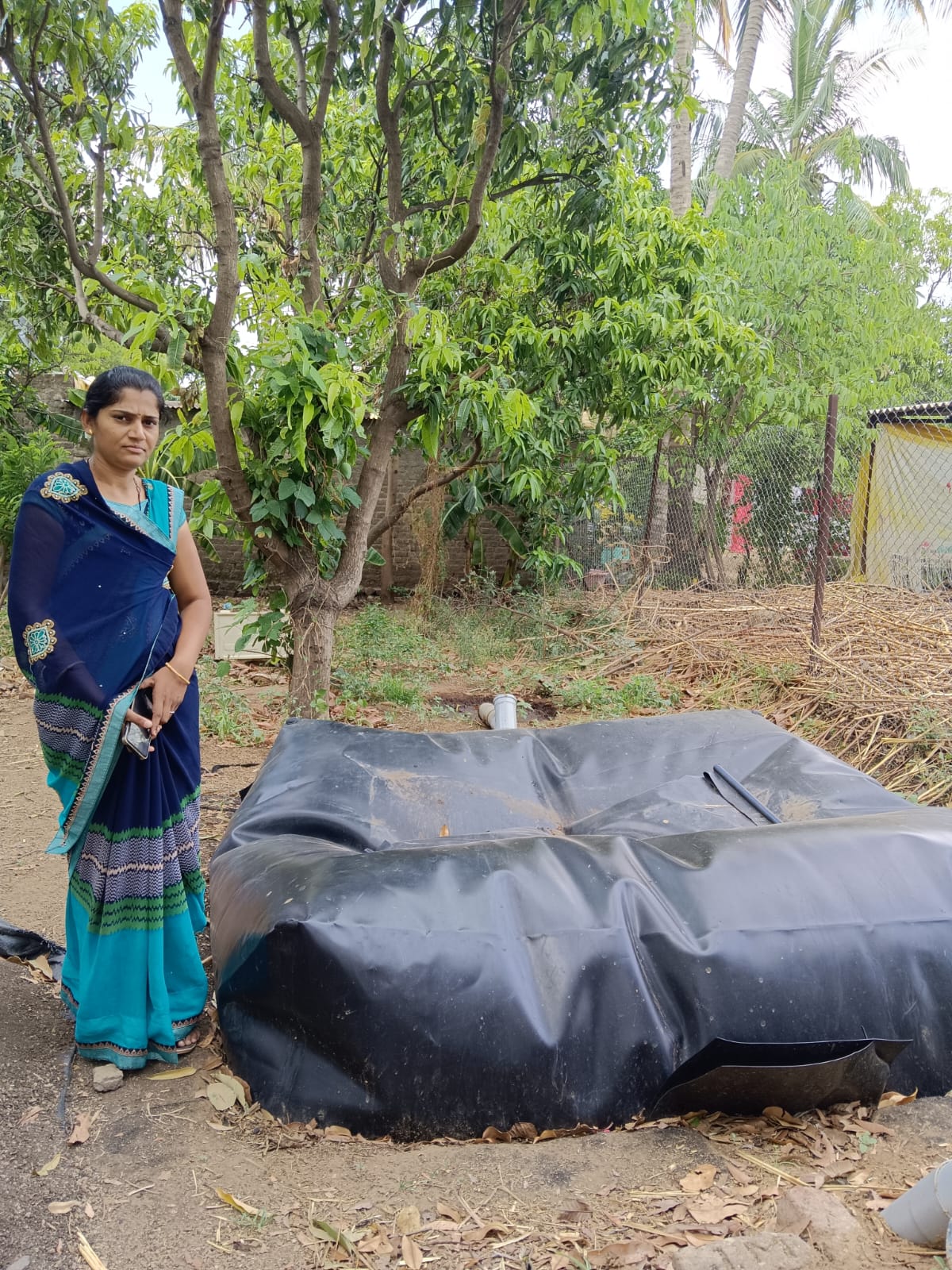
Since 2005, SSP has been developing the entrepreneurship of rural women by education and marketing of clean energy solutions such as biogas cook stoves, solar products, vegetable coolers, water conservation techniques, organic agri inputs, solar powered milk can chiller plants, etc.

The Partnership on Women’s Entrepreneurship in Clean Energy program (wPOWER India) funded by USAID in 2012 has created 1000+ women entrepreneurs in Maharashtra and Bihar.

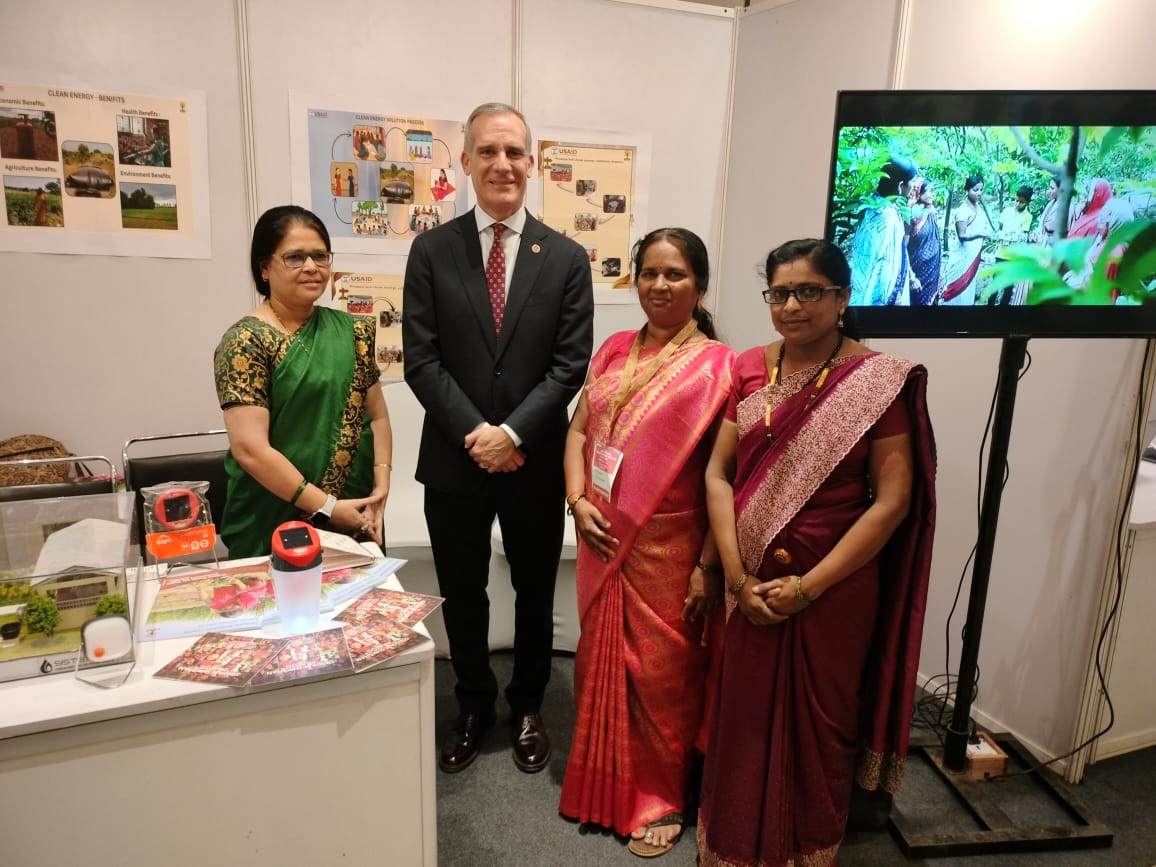
The South Asia Regional Energy Partnership (SAREP) project for two years, supported by USAID in 2022 was focused on scaling-up access to innovative and energy efficient solutions through the women micro-entrepreneurs in 500 villages across five districts of Maharashtra and Bihar.

Supported by Misereor, this program has been scaled up to more villages and built advanced capacities in women in Maharashtra and Bihar with more clean energy products and services.
Evolution

For more than two decades, SSP has collaborated with donor organizations and private sector partners to improve access to clean energy products among rural consumers.
  • 2006–2009: SSP co-created the Urja cookstove along with biomass pellets. Simultaneously, we established a last-mile distribution network of over 350 Village Level Entrepreneurs (VLEs) across Latur and Dharashiv districts in Maharashtra, laying the foundation for a women-led clean energy ecosystem.
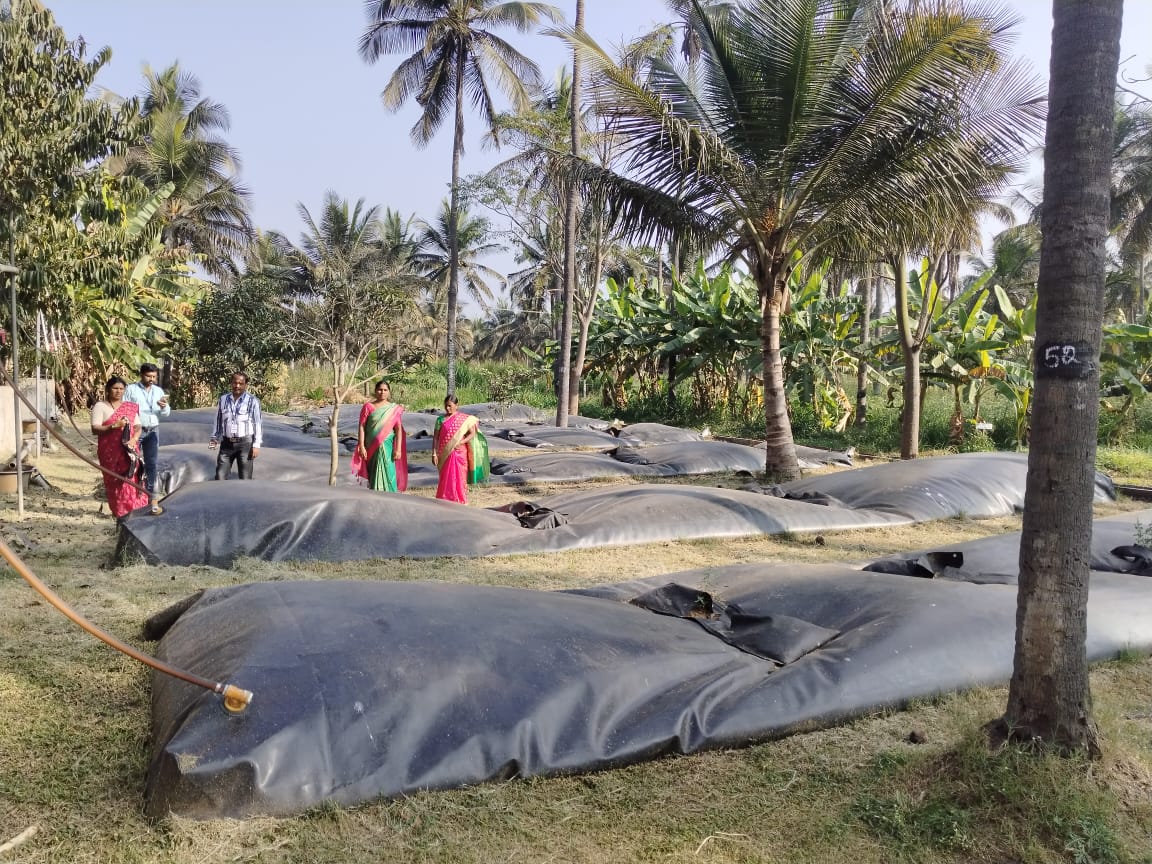
  • 2009: Building on this momentum, SSP expanded its portfolio to include a diverse range of clean energy products such as solar lighting systems and biogas units
  • 2012: With support from USAID under the wPOWER initiative, SSP scaled the model, enabling the creation of 1,000+ women clean energy entrepreneurs across Maharashtra and Bihar.
  • 2016: The program was further expanded in Bihar with the support of Misereor, focusing on deepening outreach and impact through community-led clean energy adoption.
  • 2020-Present: SSP invested in building advanced technical and entrepreneurial capacities of women entrepreneurs in Maharashtra and Bihar, equipping them to promote a wider range of clean energy products and services, and strengthening their roles as sustainability and climate resilience champions.

Approach

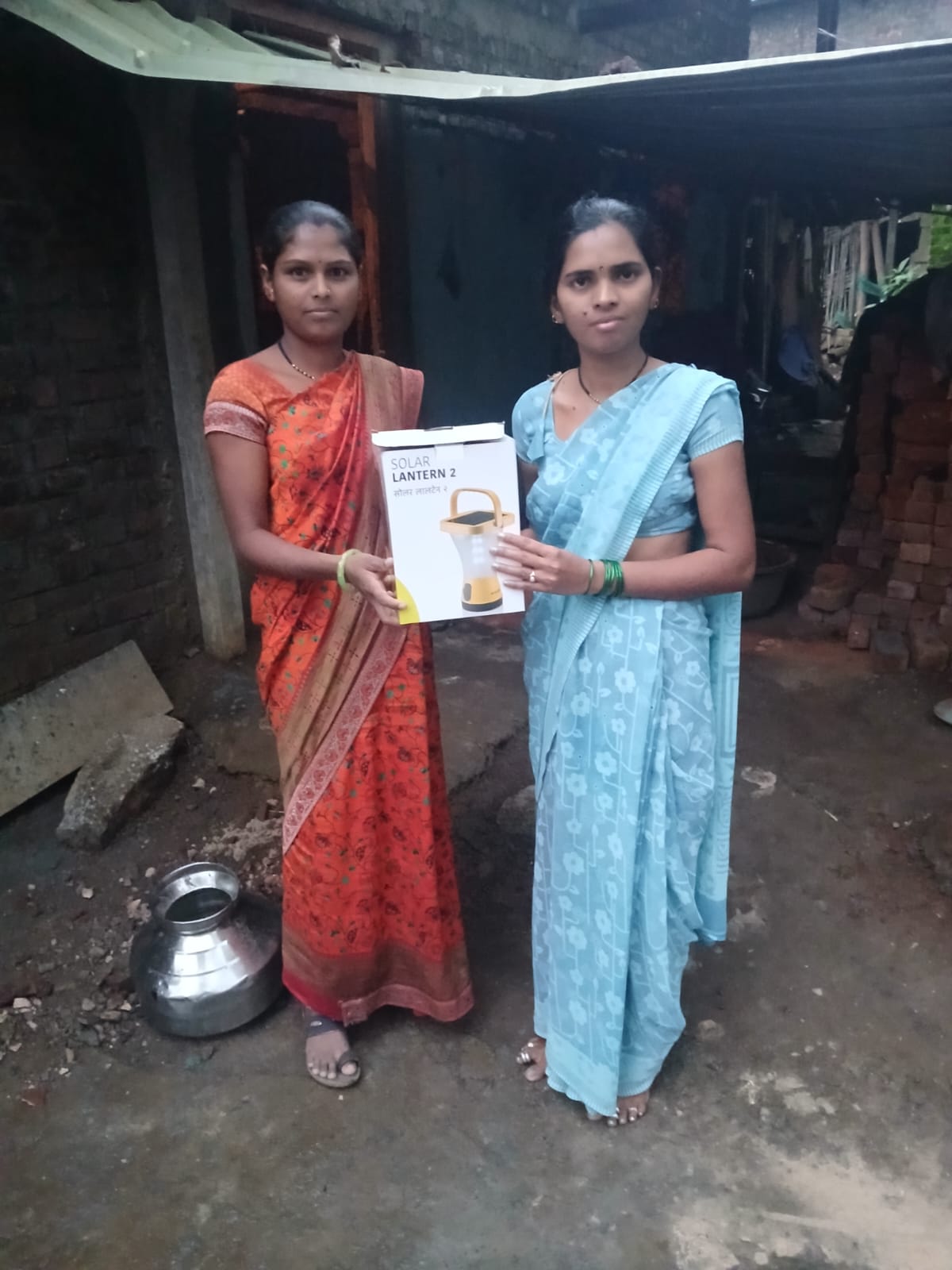
The marketing and distribution infrastructure and the Sakhi network deliver solutions like advanced cookstoves, solar lamps, solar water heaters and provide product servicing at the doorstep of rural households through:  
  • Training and capacity building of rural women as Sakhis or women entrepreneurs on business management and clean energy technologies
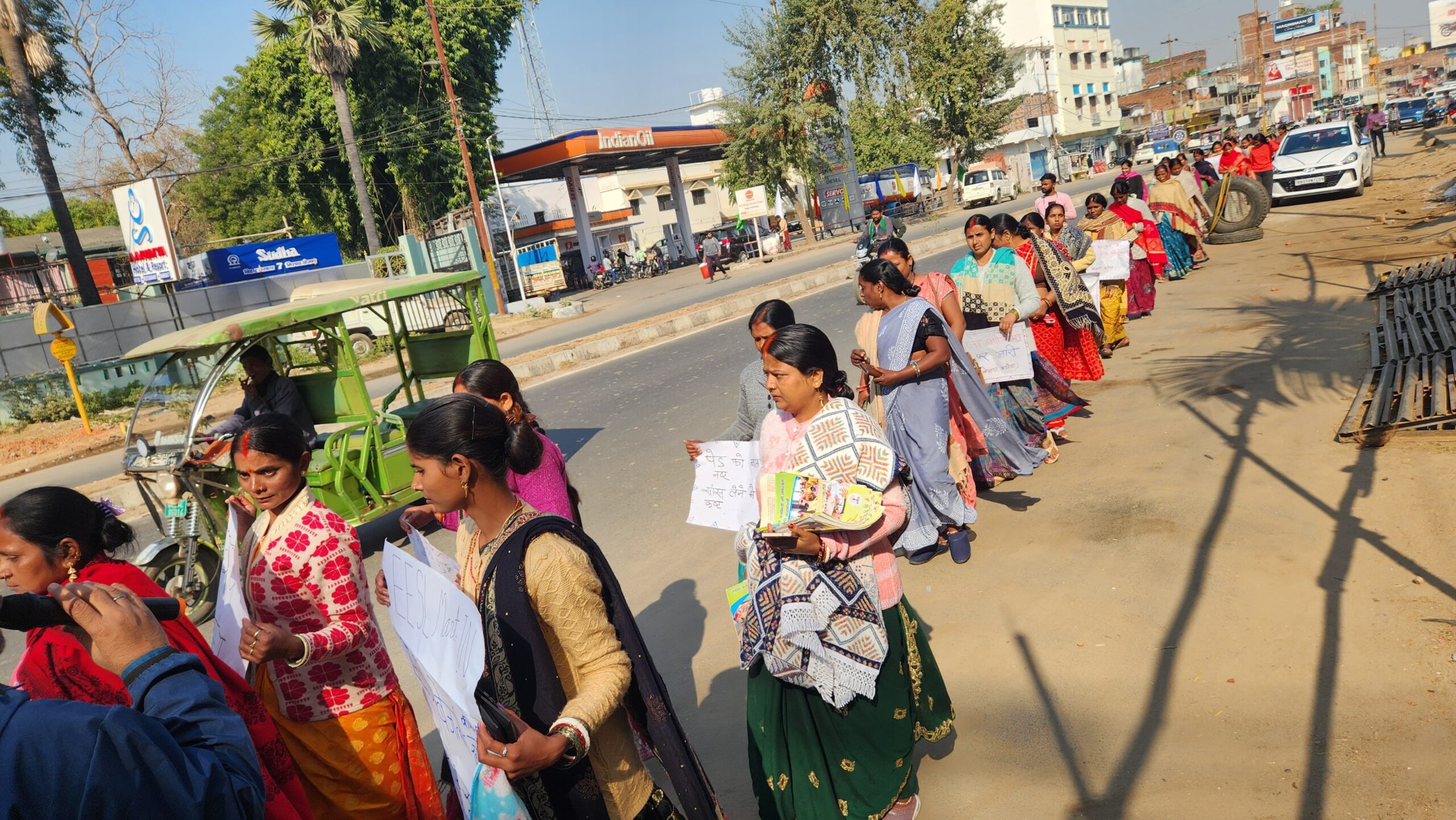
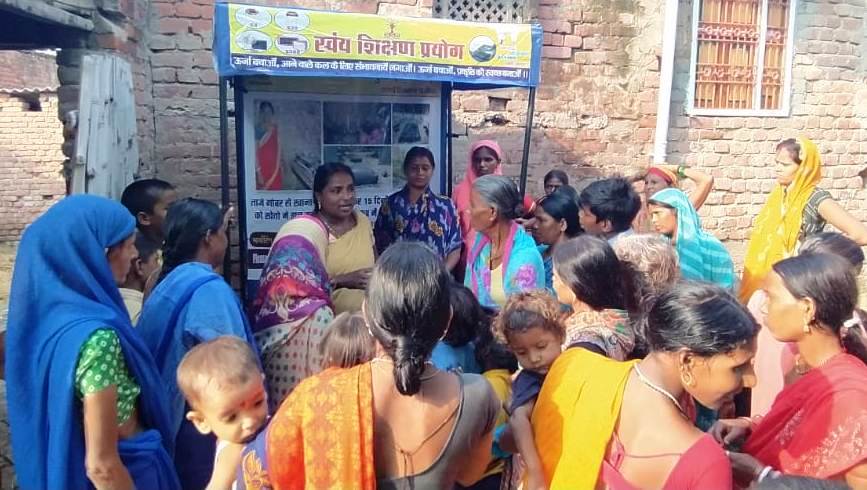
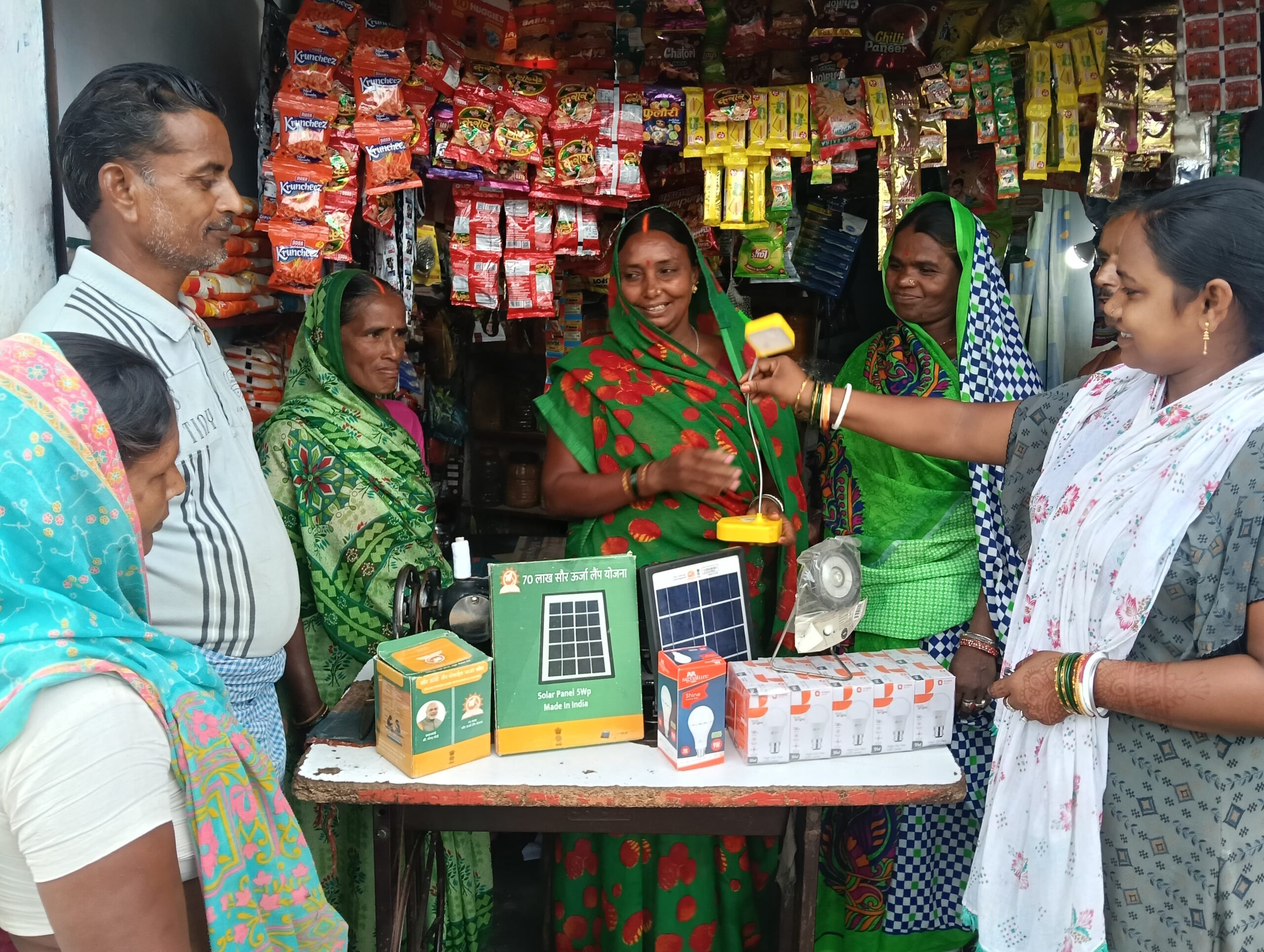
  • Promoting clean energy solutions through public awareness programs – community meetings, weekly market stalls and information campaigns. These solutions range from advanced cook stoves, bio pellets, biogas plants, solar lanterns, home lighting system and solar water heaters.
  • Establishing clean energy hubs to serve as a platform for training, marketing and servicing of clean energy products. It also facilitates business linkages between women entrepreneur networks, technology providers, financial institutions and the government.
  • Establishing public and private sector partnerships for product design, development and marketing of clean energy products; and transferring best practices, business models and innovative clean energy solutions between India, Africa and to other countries.
  • By directly connecting manufacturers with the network, the program makes access to clean energy solutions seamless and affordable for rural end-consumers. Diverse partners – private technology developers, banks, public energy agencies are enhancing access to products, technology and finance for Sakhis.
  • The Farmer Producer Companies (FPCs) led by grassroots women, delivers the vital last mile product inventory management, marketing, distribution and after sales support to the Sakhi network. The FPCs sources clean energy products from private sector product manufacturers and supplies them to the network of Sakhis who in turn, distribute them to last mile rural consumers. This forms the core value chain within the program’s partnership ecosystem.
  • Moving beyond clean energy products, SSP has facilitated the diversification of the Sakhi Portfolio further by including products and solutions which meet the needs of rural consumers to deliver health, hygiene, and climate adaptive solutions and financially sustain the Sakhi network.
The Impact
The program has improved awareness, affordability, and accessibility for a range of socially responsible products in the rural villages of Maharashtra and Bihar.
  • The micro-businesses started by Sakhi’s are contributing as an additional income stream and empowering them to be financially independent.
  • Sakhis have garnered significant social recognition through last mile business engagements.
0 +

Clean Energy Entrepreneurs

0 +

Number of Clean Energy Products Distributed

0 +

No. of Unique Rural Consumers

INR 0

Net Income Generated