
𝐂𝐮𝐥𝐭𝐢𝐯𝐚𝐭𝐢𝐧𝐠 𝐂𝐡𝐚𝐧𝐠𝐞: 𝐏𝐨𝐨𝐣𝐚’𝐬 𝐍𝐚𝐭𝐮𝐫𝐚𝐥 𝐅𝐚𝐫𝐦𝐢𝐧𝐠 𝐉𝐨𝐮𝐫𝐧𝐞𝐲
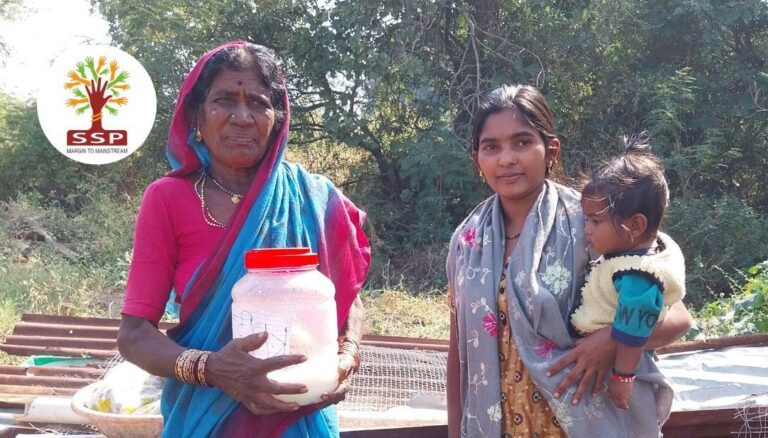
Pooja Kamle is transforming her family’s farming practices through sustainable methods. While her husband runs a kirana store and an LPG business, he actively supports their farm and encourages Pooja’s leadership in Women-Led Climate Resilient Farming (WCRF). Though she spends most of her time caring for their infant son, she was determined to make a change.
After just two days of training in September 2024, Pooja planted five food crops in October, harvesting them in 40 days. Encouraged by the success, she expanded to eight crops, including coriander, onion, garlic, beans, and spinach. Her family had always practiced traditional farming but lacked structured knowledge.
“We knew about natural farming but didn’t know how to start,” Pooja shares. By replacing chemical fertilizers with vermicompost and humic acid, they now enjoy fresh, chemical-free vegetables daily—a luxury they once could afford only once a week. Their ₹600-800 monthly expense on vegetables is now completely saved.
Until 2023, they only grew sugarcane, but frequent pig attacks forced them to switch to tur and soybeans in Kharif 2024. Later, in Rabi, they planted jowar, wheat, and peanuts, setting aside 0.5 acres for natural farming. This shift reduced costs drastically—from ₹25,000 per acre for sugarcane to just ₹2,000 for a one-time vermicompost bed.Seeing the benefits—healthier produce, cost savings, and improved soil fertility—Pooja and her husband now plan to expand their natural farming efforts, proving that sustainability is the future of farming.
Swayam Shikshan Prayog
21st April, 2025


