Initiatives

Women’s Initiative to Learn and Lead (WILL)

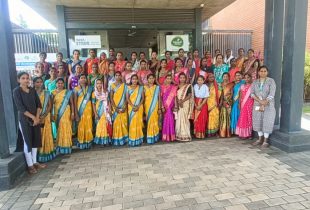
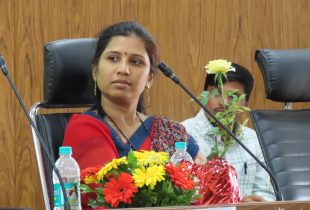
It is a core initiative by SSP that focuses on strengthening women’s agency and leadership. It
encourages women to take part in local governance, address important issues within their homes and communities, and support and inspire other women to do the same.

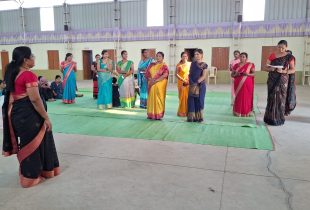
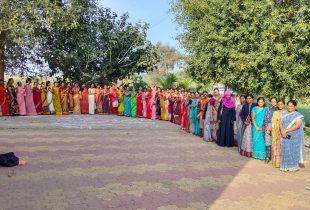
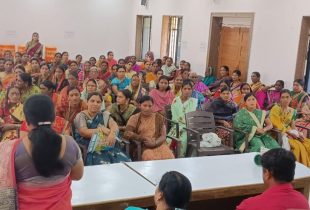
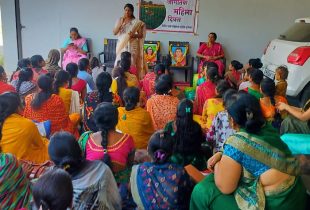
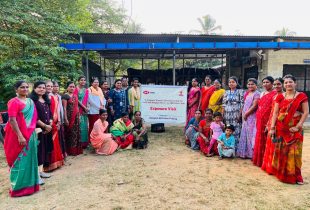
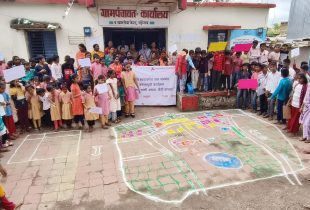
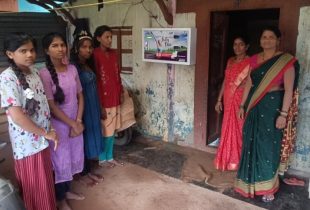
SSP supports grassroots women leaders by building their skills and creating Village Action Groups (VAGs). These groups actively engage with local government systems by participating in Gram Sabha meetings, organizing community dialogues, and ensuring better access to government schemes across the project areas.

Key Activities -

Awareness & Capacity Building

Village Plans Development

Land Rights Campaign

Digital & Financial Literacy

Network Meetings

Building Skills for Governance & Community Impact

Leadership Program by Axis Bank Foundation

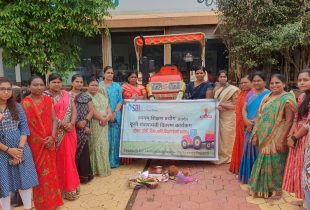
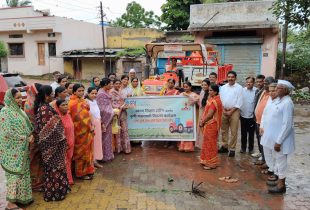
Women Farmer Producer Organizations (FPOs)

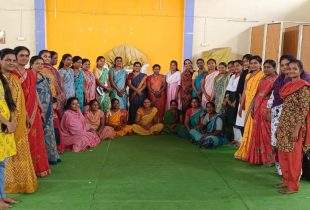
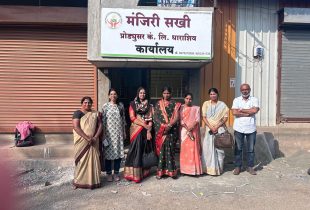
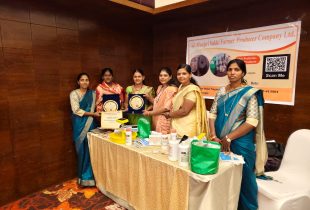
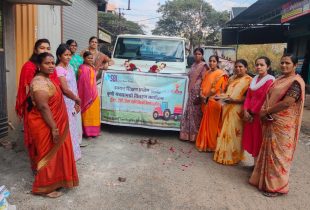
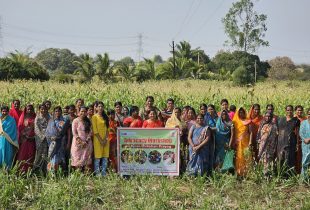
SSP strengthened 8 women-led Farmer Producer Organizations (FPOs) as key drivers of rural entrepreneurship, collective farming, and market access.

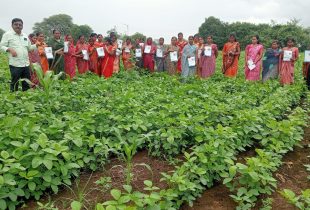
SSP is supporting grassroots women to grow and sell organic products that contribute to local
food security. . Through hands-on training, mentorship, and connections to new producers and
markets, these women are learning how to run successful enterprises, from the field to the
marketplace. This collective effort is not just about better incomes; it’s about building stronger
communities, healthier food systems, and a future where rural women lead the way in
sustainable farming.
Key Activities

Capacity Building of FPO leaders

Distribution of assets such as farm assets and infrastructure

Support to FPOs to utilise CSR financial tools like Returnable Grants and Credit Guarantees and provide credit to women farmers

Collaborations

As part of its core strategy, SSP focuses on creating strong linkages between rural women and various systems that can support their growth and well-being. The aim is to ensure that women are not left behind but are actively connected to the resources, services, and opportunities available to them.

Key Activities -

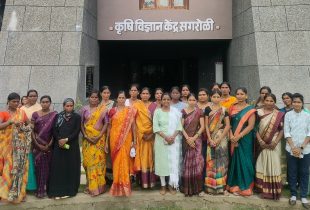
Access Government schemes like Krishi Vigyan Kendras (KVKs), Regional Agricultural Research Station(RARS), Integrated Farming Systems Research Station(IFSRS) and Agricultural Technology Management Agency (ATMA) by guiding them to apply for benefits related to health, sanitation, farming, housing, and welfare

Connect with Financial Institutions such as banks, self-help groups (SHGs), District Industries Centre (DIC) and microfinance providers to access credit, savings, and financial literacy training.

Build Market Connections like Food producer organisation (FPO) by linking women entrepreneurs and farmers to local and wider markets, enabling them to earn better incomes and grow their enterprises.

Partner with Institutions including local government bodies, health (Anganwadi Staff and Asha workers and Integrated Child Development Services) and agriculture departments, and private sector organizations to ensure long-term support and sustainability

Awareness Building and Advocacy

Holistic Development
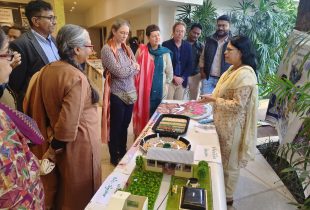
SSP implemented a holistic village development initiative across 10 villages in Trimbakeshwar block, Nashik, focusing on clean energy, education, water security, digital inclusion, and women-led livelihoods

Key Activities

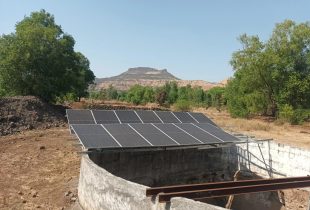
Promotion and distribution of renewable energy solutions in villages.

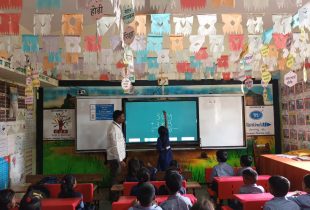
Upgradation of existing infrastructure and Installation of Smart Classrooms in government schools

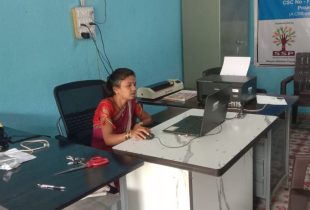
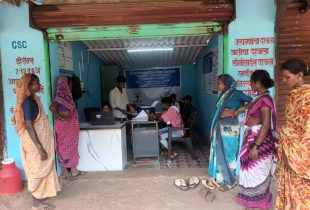
Establishment of Digital Service Centres with women entrepreneurs equipped to run community digital hubs, helping villagers to access government schemes and essential online services such as PM-Kisan, E-Shram registration, and digital banking.

Ensuring Water Security with solar-powered water purification systems providing clean, safe drinking water and reducing waterborne illnesses.

The Livelihoods and Women-Led Agriculture component empowered rural families through diversified income activities with initiatives such as poultry and goatery units , honeybee units, and local micro-enterprises.

Training in climate-resilient and organic farming practices, leading to lower input costs, improved soil health, and increased adoption of sustainable agricultural methods.