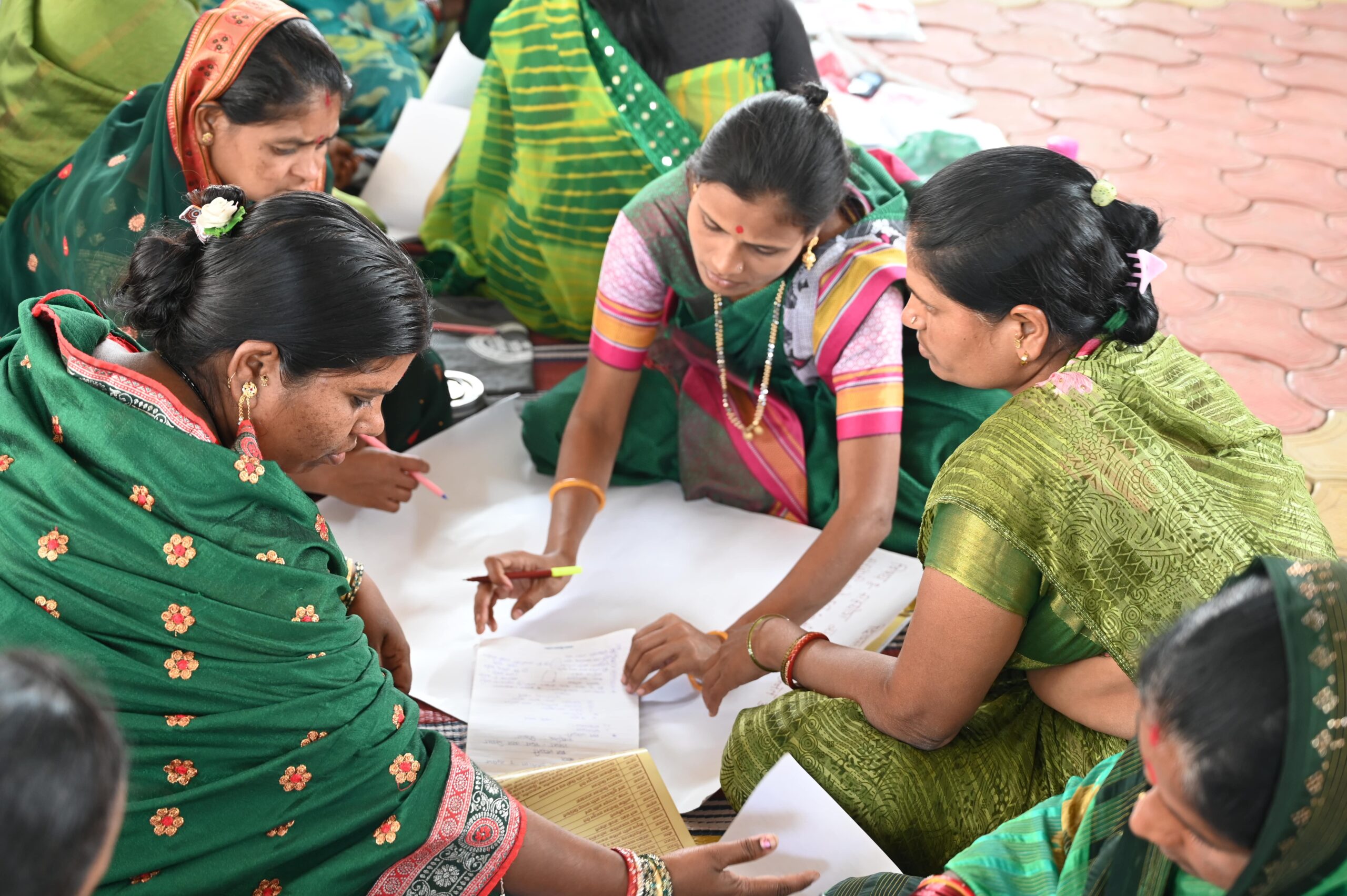
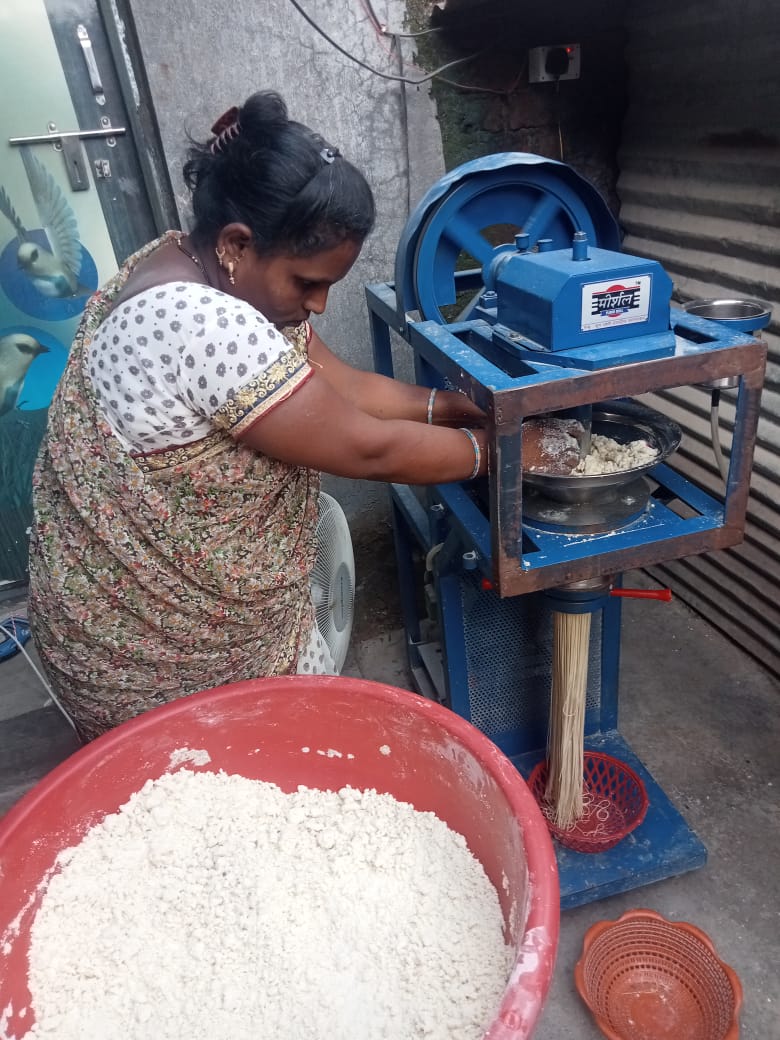
Fostering entrepreneurship training & leadership skills to give women the social capital to catapult into business leadership.
Funding
Providing access to seed fund capital and business expansion loans through microfinance institutions.
Distribution
Facilitating rural marketing & distribution by spotting new business opportunities in health, clean energy, water, sanitation.
Networking
Enabling access to a poor network of grassroots entrepreneurs, who act as a support system.
Context
Regions that have been hit by disasters, whether droughts, earthquakes, or floods, face the task of rebuilding their communities and lives in a more resilient manner. Trapped at the intersections of poverty, gender and other forms of marginalization, women are the worst affected in these zones. Socio-cultural norms deny them ownership of land, property and other capital assets, while traditional barriers restrict their livelihood options.
With limited education and training, and minimal access to resources, skills, and entrepreneurship opportunities, women in resource-poor geographies live in continued crises, and are pushed further to the margins.
Evolution
2007 – Trained arogya sakhis (local women health entrepreneurs) to provide basic healthcare services and products along with awareness in rural Maharshtra.
2008 – Conducted surveys in project implementation areas, which indicated that women had low food security and health camps revealed high levels of anaemia among women and girls.
2011 – Began working in 100 villages in 3 districts across Gujarat and Maharashtra to develop women leaders to create links between agriculture and nutrition.
2013 – Provided health and nutrition awareness to 5,000 women and adolescent girls and 3,500 pregnant women through group meetings
2018-2021 – The wSHARP – Women-led Sanitation, Hygiene and Resilient Practices Project with technical support from UNICEF combined climate resilient farming practices with improving the hygiene and sanitation infrastructure and practices through integrated water resource management.
Approach
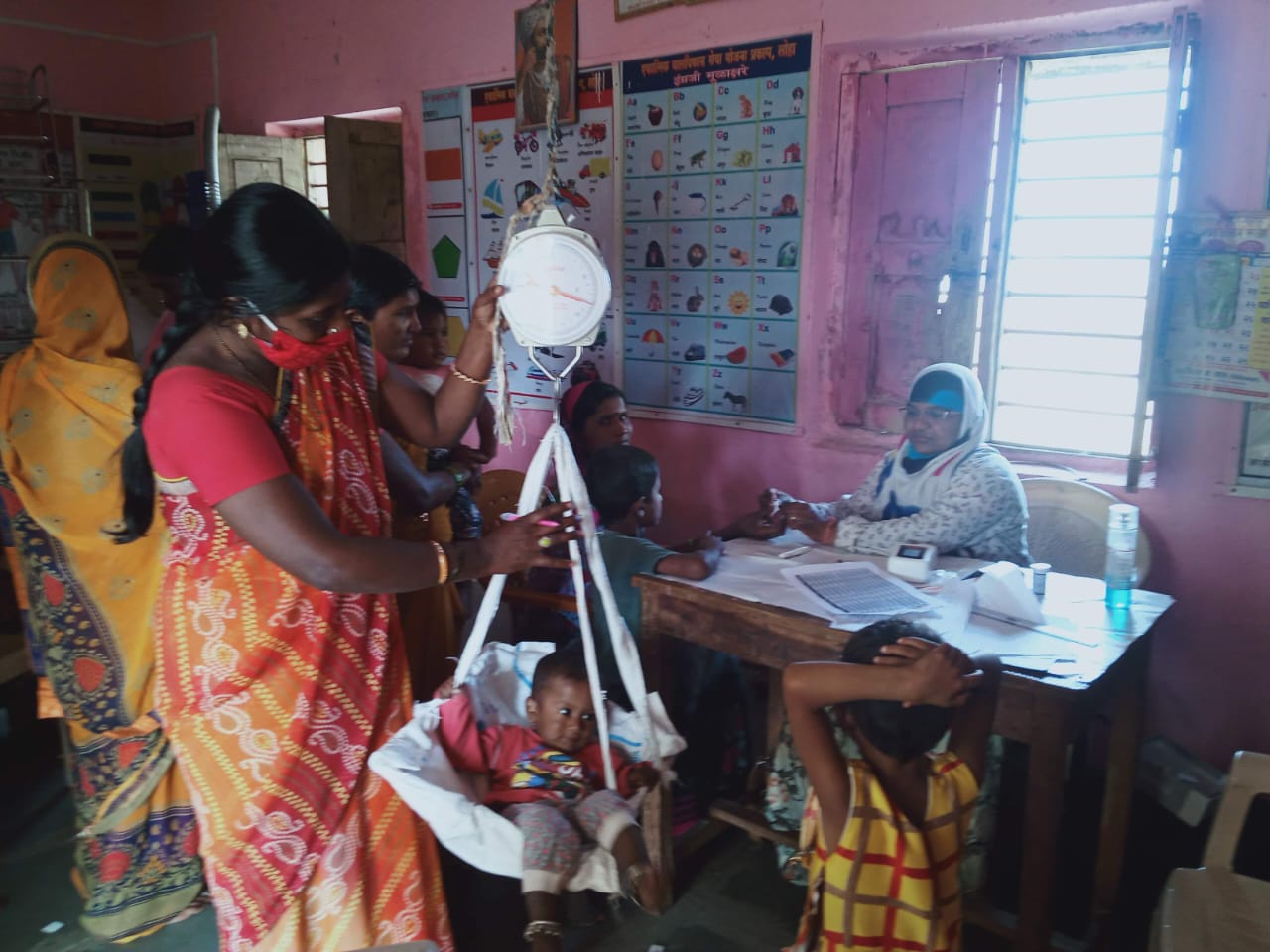
The challenge presented by inaccessible and ill-equipped health facilities in in rural areas across the country has proven an opportunity for women to emerge as community health service providers and health entrepreneurs—Arogya Sakhis.
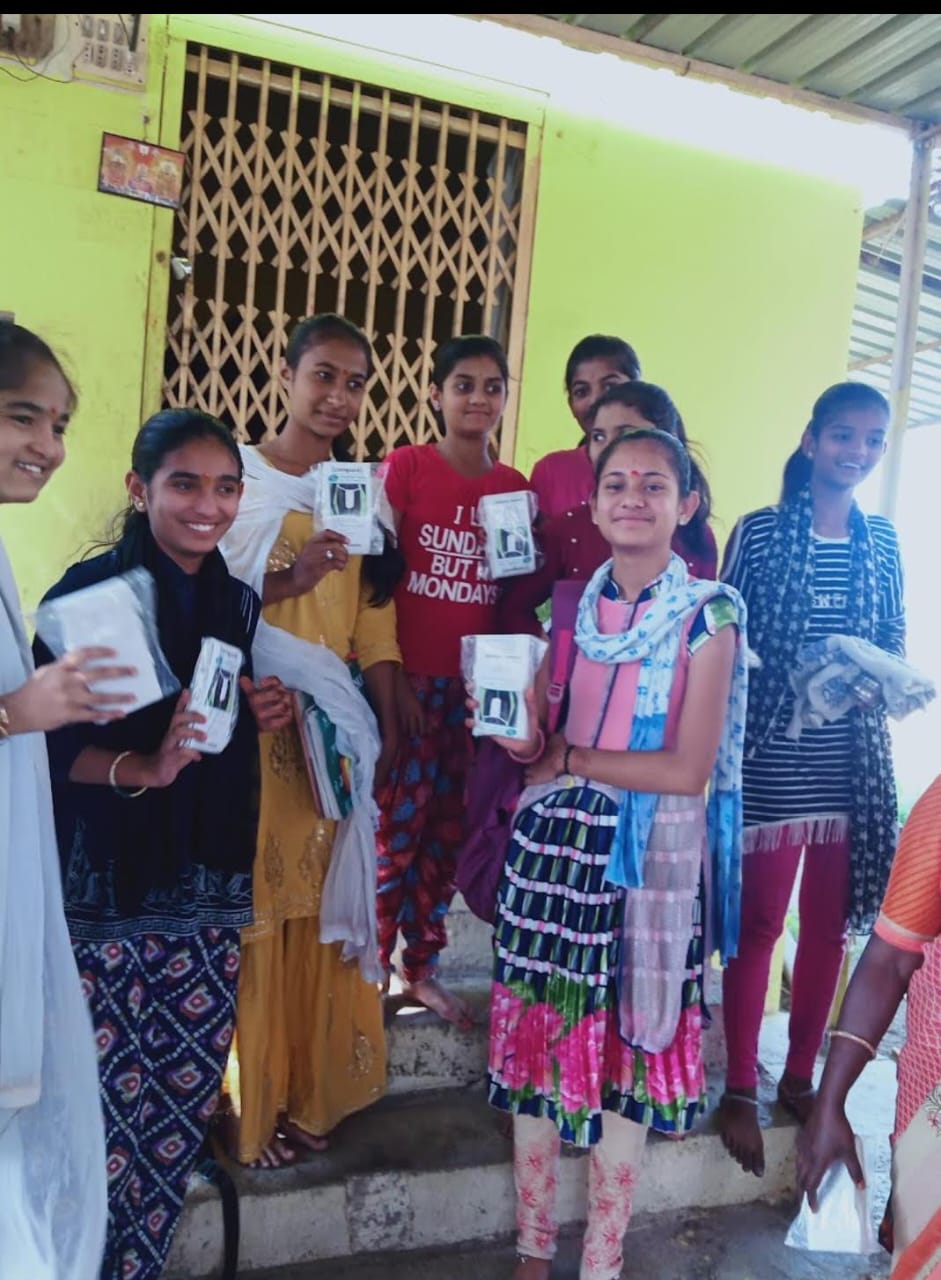
Arogya Sakhis are trained to use diagnostic health devices and modern technology they deliver preventive healthcare services at the doorstep.
Through this work, they are also able to substantially enhancing their incomes. This program increases awareness of preventive health care by training and creating a cadre of Arogya Sakhis equipped to deliver health information, preventive health services and referrals to partner hospitals (private and public).
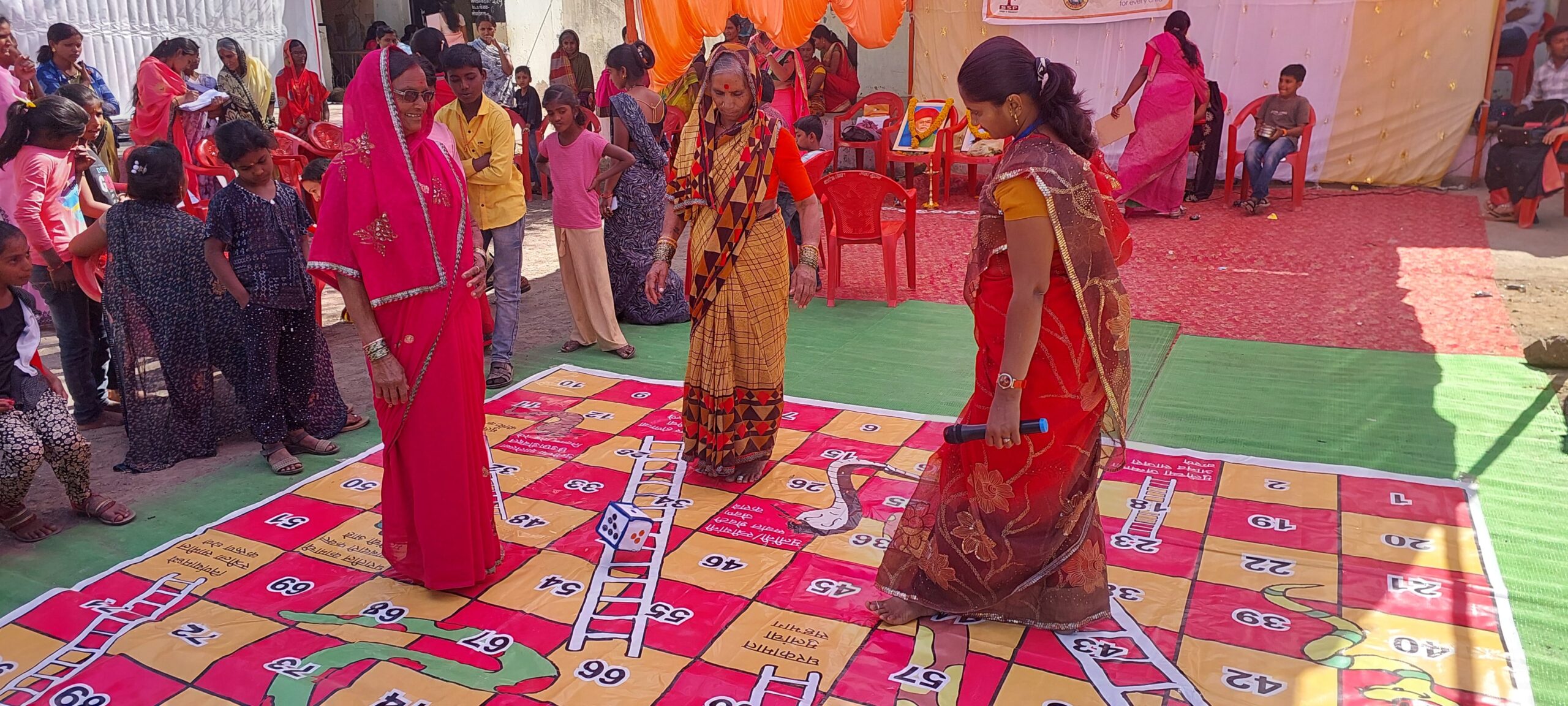
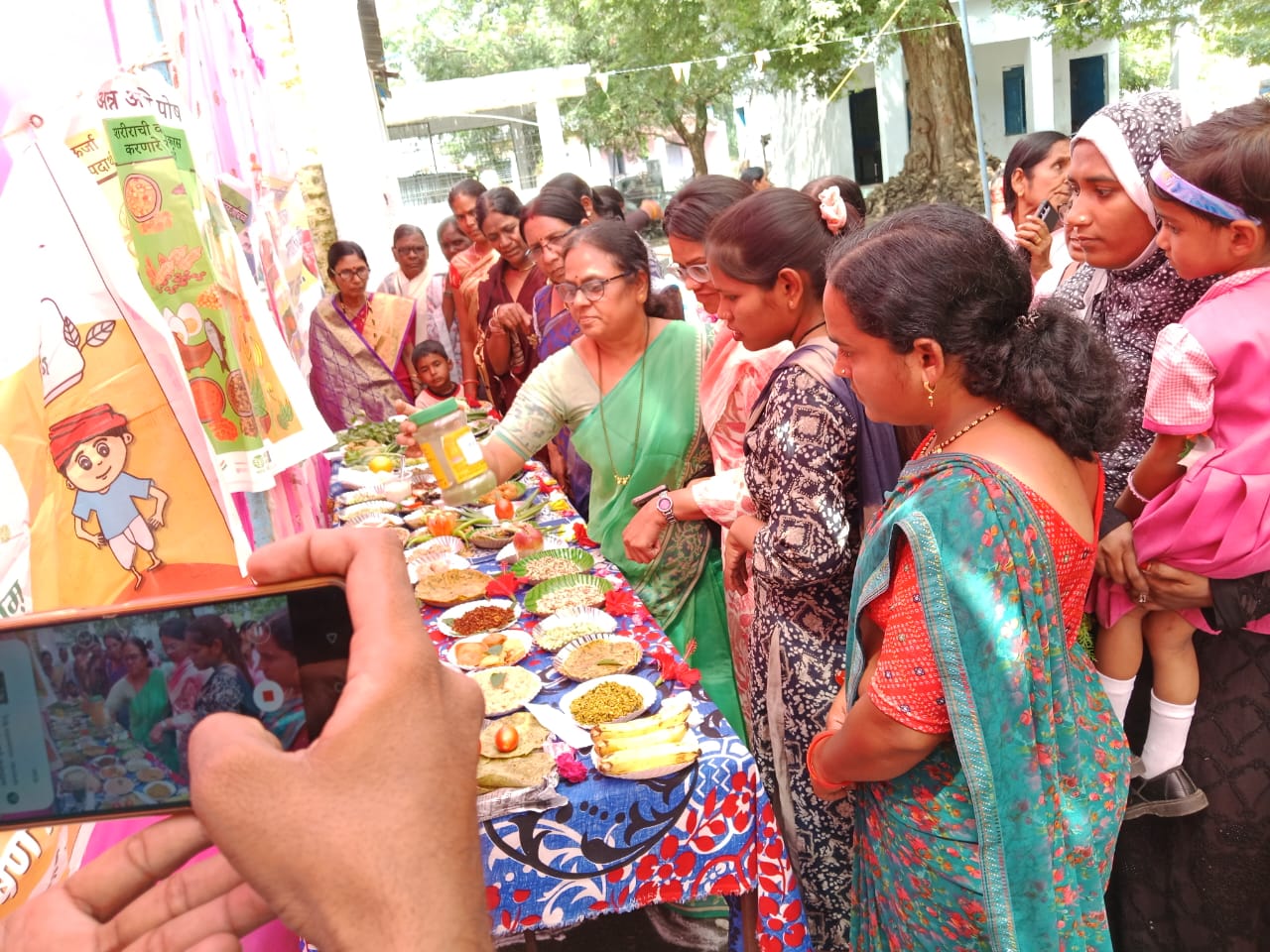
Agriculture leaders develop women farmer groups to promote nutritious food production on one-acre farms and kitchen gardens, and share best practices on food preparation, nutrition, sanitation and hygiene. They conduct monthly meetings and home visits, and facilitate access to seeds, loans and technical knowledge to enable women farmers to grow more food.
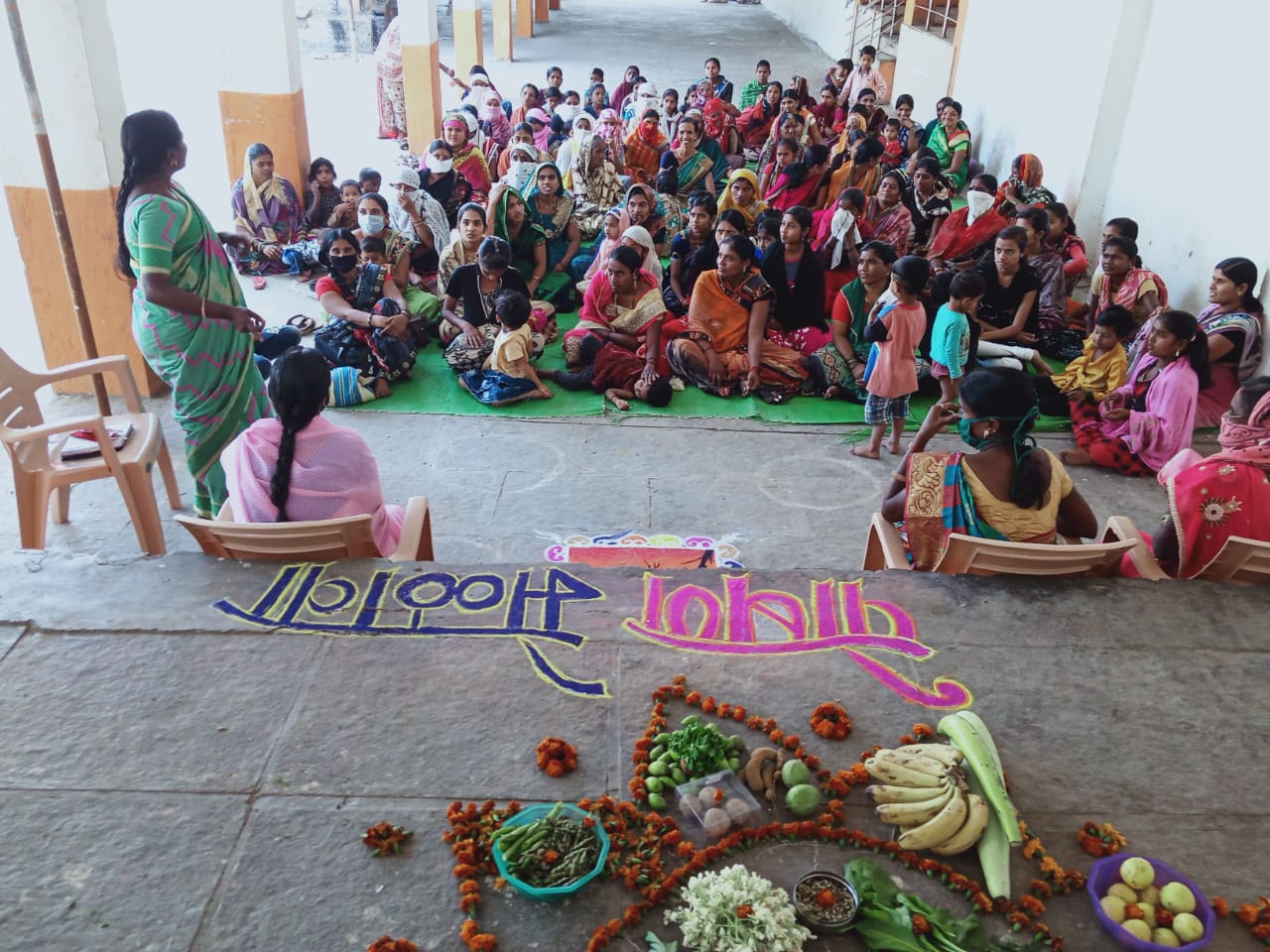
Health leaders engage with women and adolescent girls through monthly home and school visits as well as community meetings to increase awareness and enable behavior change around health practices, and also support village level arogya sakhis.
Arogya sakhis conduct home visits to provide basic health information, services and products.
At the core of this effort is building women’s leadership in promoting decentralised climate risk governance and enhancing the well-being of women, girls and families.
Development of their capacity’s trickles down to the households they are directly working with, and helps build social capital in the community.
In addition to supporting women leaders, SSP facilitators provide linkages with the government, facilitate health camps and provide business support to agriculture-linked women-led enterprises.
Women leaders promote participatory water budgeting, allocation and conservation through community level convergence of relevant government schemes to provide last mile access to WASH and nutrition related products. They also track behaviour change at the household level through home visits on indicators including use of mediclor for clean drinking water, adoption of kitchen gardens and construction and use of toilets and soak pits (waste water).
Result areas include improved access to nutritious food (through agriculture and backyard gardens) and better water security for safe water, sanitation and hygiene for vulnerable households in climate threatened regions in Maharashtra.
The Impact
Between 2013-2015, SSP empowered 100 women health entrepreneurs/Arogya Sakhi’s to deliver preventive health services, health awareness and services to 60,000 rural households reaching 300,000 community members across Osmanabad, Ahmednagar and Pune districts in Maharashtra. From 2020 onwards, SSP has trained over 100 Arogya Sakhis who have inspired more than 500 women in WASH.
Women leaders have reached out to and trained 10,000 households on techniques of water allocation during lean periods in Osmanabad and Latur districts on Maharashtra.
SSP has addressed the closely linked issues of WASH and Nutrition through improved water management and climate resilient farming practices at the household, community and farm.
Improved household water security for sustained water and sanitation & hygiene in lean period.
Improved community resilience towards food security and productive use of water through better allocation
Increased advocacy by grassroots women leaders with their local government for water security through convergence of various development schemes.
Create of a cadre of trained Arogya Sakhis for improving last mile access to WASH related product and services and strengthen the services of Swachhata Grahis, Aanganwadi Women Workers and ASHA workers for larger outreach.
Successful convergence of schemes through linkages in ATMA, Pokhara, SBM, MREGS and the water supply department in rural Maharashtra.
0+
Women launched as entrepreneurs
Rs.0 Crores
Loan amount disbursed to women through SSP's support
Rs.0 Crores
Additional annual income generated through women led enterprises